

FAQs

General, Cosmetic, and Restorative Dentistry
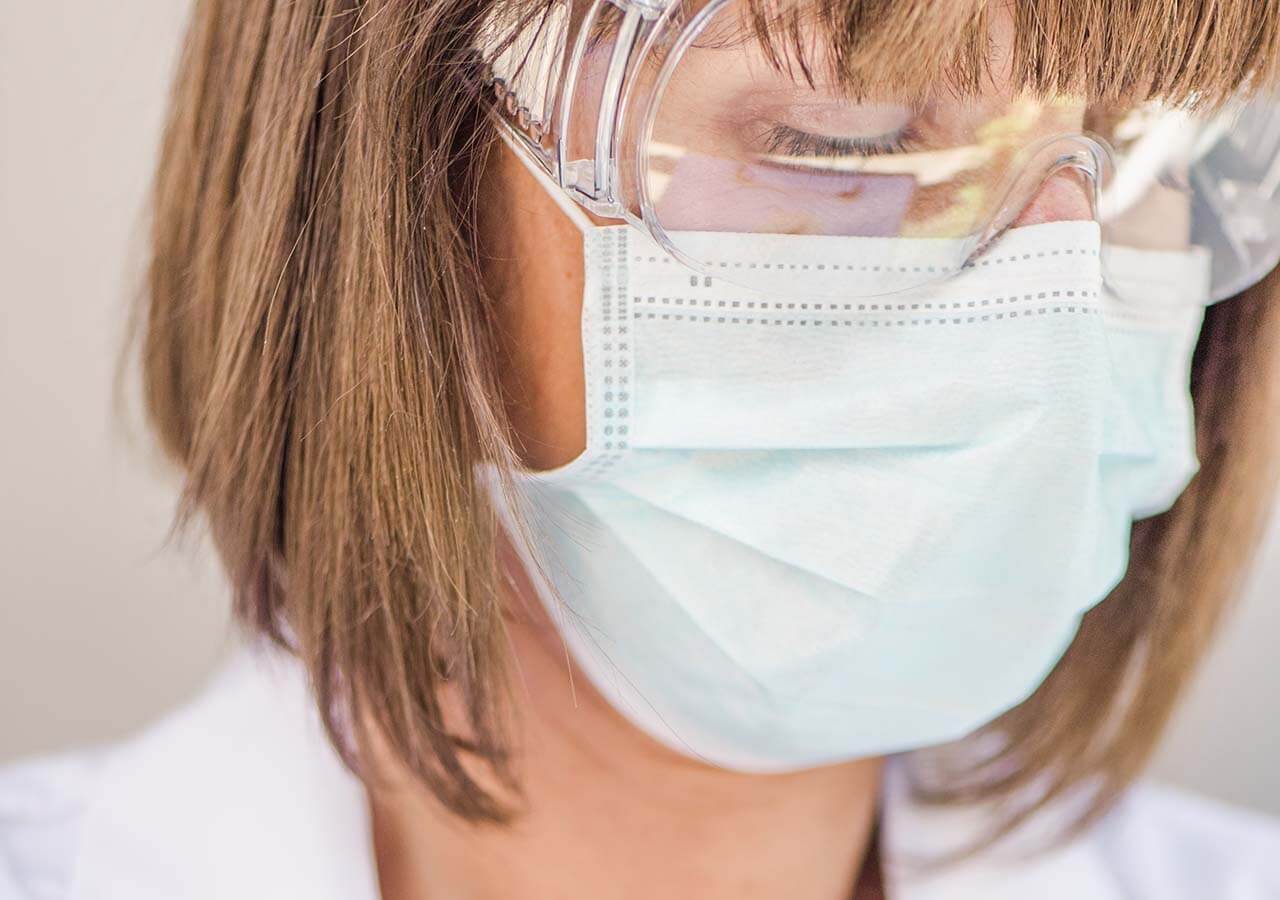
CROWNS WHILE YOU WAIT

 Really enjoy rubber impressions when you need a crown? We have not met anyone who looks forward to that!

MISSING TEETH

Missing teeth can be a real problem.
Jaw joints can hurt, teeth can shift, your bite can be off, speech can be affected, and your chewing can be awkward

HYGIENE SERVICES

Even though we are a prosthodontic specialty dental office, we offer
professional cleanings that also allow review of our dental work.

Our Practice & Core Values

What is a prosthodontist?

Prosthodontists are dental specialists trained in the restoration and maintenance of oral function, comfort, appearance, and health by restoring natural teeth that are broken or worn, in addition to the replacement of missing teeth. A small percentage of those dentists trained in prosthodontists go on to become certified by the American Board of Prosthodontists. Dr. Stewart became a prosthodontist in 1990 and completed his board certification in 1995. He received his dental degree from the University of Michigan School of Dentistry and master’s degree in prosthodontics at the Mayo Clinic Graduate School of Medicine.

Do you do implants at this office?

Dental implants require planning between the prosthodontist (our office), surgeon, and patient. Our office will educate you and determine the need or usefulness of implants in your situation, direct the dental surgeon in the positioning of the implant(s) in your mouth to meet the intended needs, and then we provide the abutment support and final crown or bridge over the implant. This “team” approach lends itself to the advantageous “checks and balances” approach during your care.

How long does it take?

Integration of your bone to the surface of titanium dental implants varies from 3 to 6 months. This is the typical rate of bone growth and has been scientifically determined from the work done on humans in the late 60’s. This “modern” day implant has undergone some slight changes to design of the body and surface, but basically remains unchanged to this day.

How long do I have wait after the implant is placed to have the crown or bridge placed?

With the 40+ years of dental implant experience, the scientific dental community has concluded that implants may be used to support temporary, and in some cases, final crowns and bridges the same day they are placed. Computer-aided guidance and treatment planning has created a more straightforward procedure for the patient. The routine swelling and tenderness has been minimized. Many go back to work after a full day or two of rest.

What's better, a bridge or an implant?
The old standard of cemented bridges to the adjacent teeth is being quickly replaced with dental implants. The reason becomes obvious when considering the balance of advantages and disadvantages with each method.
 
Dental implants eliminate the need to remove enamel from the neighboring teeth for a bridge, and have advantages of stimulating bone to remain, avoid decay or periodontal disease, and have a “track record” that far outlasts bridges. The disadvantages with implants are they do have one or two surgical procedures. The costs for implant restorations tend to be double the fees of bridges over teeth, however these costs improve over time when considering there is little need to replace them (unlike bridges).
 
The advantages of bridges are the non-surgical approach (unless a tooth needs removal), the time of treatment is shorter, typically around a month, and bridges may be most conservative if crowns already exist on the adjacent teeth and only need to be removed and replaced with a bridge. Disadvantages with bridges include the unnecessary and permanent removal of enamel of the adjacent supporting teeth, the loss of bone from the missing tooth under the bridge, and the longevity of the restoration depends on the health of either of the supporting teeth (avoiding decay and periodontal disease).
 
In summary, the implant approach “solves a one tooth problem with a one tooth solution”.
Are all crowns the same?
In a word, NO! There are many variations in design and material. Full coverage crowns and partial coverage crowns offer a range of possibilities for your dentist to treat your tooth. For our purposes here, we will consider a “crown” to cover both forms. In addition, there are stainless steel and polymer (plastic) temporary crowns, full-gold crowns, porcelain-fused-to-metal crowns, and all-ceramic crowns. Crowns made in laboratories take time to fabricate and require the patient to wear a temporary crown in the interim. With CEREC ceramic crowns made while you wait, in our office, you avoid the temporary altogether.
 
The first “modern era” crowns were fabricated from gold alloys. The accuracy of the fit was determined by the accuracy of impression materials to make the “mold”. With accuracy improvements with models, full gold crowns became the standard in which all materials would be compared. To make the gold appear like tooth structure, plastic was molded to the gold. This unfortunately resulted in wear and displacement of the plastic, which inspired English investigators to invent methods of fusing porcelain to metal. The “porcelain fused to metal” crowns were, and still are, being used. Their main disadvantages include their abrasiveness to the teeth around them, the brittle nature of porcelain often results in chipping from the metal, they irritate gum tissue when not done properly, and they frequently do not appear natural.
 
To address the lack of cosmetic predictability of the previous efforts, all ceramic crowns were developed. The task of investigators was to improve the durability of these materials, while maintaining the translucency of the resulting crown. Over several decades, the all-ceramic crown has evolved from hand-stacked porcelain jackets, to laboratory based CAD/CAM (computer-aided design and machining) crowns, to chair side CAD/CAM methods where the patient waits for the final crown in one appointment. CAD/CAM crowns, and their associated ceramic materials, are becoming the new norm. The differences now are whether they are made DURING the appointment or from a laboratory taking two or more appointments.
What are CEREC restorations we see in advertisements?
CEREC is a CHAIR-SIDE FABRICATED ceramic partial or full crown, inlay, onlay, or veneer using CAD/CAM technology. Our office uses the CEREC system (Sirona Dental Systems), which has a “track record” since 1985. Other systems continue to evolve and will eventually gain acceptance. The chair-side technology possess several key advantages over laboratory-based restorations:
No impression materials are typically used–impressions and stone models are replaced with a 3D camera to make a “digital model”.
Sophisticated software is used to create the digital crown (CAD) on the computer as you watch.
The restoration is milled (CAM) in as little as 10 minutes using shaded ceramic materials specific for their intended purpose.
Further color and shade modifications are made to match the adjacent teeth in your mouth.
The final restoration is then seated in less than two hours!
 
With this technology there is no need to wear temporary crowns, since you leave with the final rendition. Therefore, there is no need for additional appointments to replace lost temporaries, or have a second shot for anesthesia. The accuracy of the digital camera is at the micron level and the gum tissues tolerate these restorations beautifully. The overall appearance of a well-designed ceramic restoration is spectacular!
How long do dental restorations and prostheses last?

Durability of dental restorations has been studied for years and depends on a number of variables that may affect their service longevity. Grinding and clenching, diet, and decay and periodontal disease risks are common patient risk factors. Prosthetic materials are another. Crowns and bridges for example, fail from recurrent decay or fracture and may last, according to research published since the 70’s, anywhere from 12-15 years. Partials usually last as long as your natural teeth retaining them do. Any change in the natural teeth retaining partials usually indicates the need for a new partial. Recently with CAD/CAM crowns, the service longevity of partials can be continued while a crown is made “under” the partial. Complete dentures could be relined, however are replaced every 6-10 years depending on the wear of the denture teeth. Occlusal guard durability is variable and depends on the patient’s level of grinding or clenching activity. Implant prostheses are variable—however most prostheses supported by implants are expected to last much longer than those supported by natural teeth.

I've heard that some dental offices send their lab work out of the country to be fabricated. Does your office do that?
We fabricate 75% of the prostheses or other restorations in house. The other 25% of the time, the work is sent out to local labs to perform procedures we cannot do in our office. Whether it is the creation of a denture, partial, occlusal guard, bridge, or a crown, we do most, if not all of the work in our office. There has been a trend to “outsource” the work overseas, however we will never be a part of that! 
Are dental X-rays necessary?
Yes! Dental radiographs (“x-rays”) are an integral part of diagnosing the health of your mouth. The minimal exposure of dental radiographs far outweighs the risks of undiscovered dental diseases. Diagnosis and treatment solutions can be determined more accurately with the additional knowledge obtained from a radiograph. The main question that concerns patients is the exposure of radiation. The modern radiograph is completely safe when used properly.—minimizing exposure with digital sensors, columnated dental units, lead aprons, and ordering radiographs judiciously.
The American Dental Association recommends “bite wing” radiographs every two years and a full-mouth series or panoramic radiograph every five years for responsible dental supervision. We always explain the rationale for radiographs in your situation.
My jaws hurt occasionally. Why?
By far the most common source of pain is the overuse of the muscles around the mouth. Jaw discomfort may come from many sources—injury to the tempormandibular joints (jaw joints or TMJ), overuse of the muscles associated with the lower jaw, or pathology of the tissues around the mouth. Dentists are the first health care professional to consult for jaw pain. The typical patient has periods where they clench or grind their teeth. Pain becomes noticeable with chronic grinding and clenching. Most of the time the patient does not even know this is happening! The solution is to play DEFENSE! Defense comes in the form of nighttime protection with an occlusal guard (a custom designed device from an impression of your mouth), and daytime protection by keeping you teeth apart. The old adage “lips together, teeth apart” makes perfect sense for patients with undiscovered daytime clenching or grinding habits. A smaller percentage of patients will irritate their TM joints with this same activity of overuse. The same treatment of a guard and daytime behavior modification is recommended.
Air Quality
Our office is equipped to provide the highest standards of air quality.  We are addressing this aspect of cleanliness with several layers of protection;  addressing the air of the entire office with a diode ionizer in the attic air handler, commercial grade HEPA filters / UVC air cleaners for the non-treatment room areas, and ULPA filters in each treatment room.
How do you sterilize instruments?
Strict adherence to patient safety in the handling of dental instruments and equipment is followed. All dental hand-held instruments are sterilized after each use in an autoclave. Dental items used in patient care that cannot be autoclaved have disposable barriers replaced after each patient. Surfaces such as counters, drawers, etc, are disinfected with an approved solution and spray, wipe, and spray technique.
I've heard that the dental unit water lines need special treatment to make the water safe for patients. Do you treat the water?
Yes! All the water lines in all of our dental units are treated for water-born bacteria. The treatment chemistry is obviously safe for drinking. This prevents the growth of bacterial populations on the surfaces of the water lines in the equipment.
What do you do if I have a dental emergency when the office is closed?
Dental emergencies occur at any time—usually Friday night after hours! Patient of record will get priority appointments if the problem is to be managed the next day. Dr. Stewart and staff live locally to the office, so that most times we are available for the various problems we have seen over the years:
 
Toothache—the management of a toothache often needs direct supervision. Many times this problem could be TEMPORARILY managed with medications until the next day. An x-ray would be taken along with clinical evaluation to determine the proper course of action.
 
Swelling—the sign of advanced inflammation or possibly infection must be addressed with direct supervision the next morning. Night management for patients of record would be through medications, to allow proper rest for the patient.
 
Filling out—typically the loss of a filling will not produce acute pain. The filling should be either replaced or another restoration recommended depending on the extent of the injury. Most patients experience the aggravation of food packing between the teeth after a meal. This will hurt the gum tissue, and is remedied temporarily by flossing, until an appointment can be scheduled.
 
Broken tooth—depending on the symptoms and whether we have the social embarrassment of a front tooth involved, priority treatment will be given. Broken back teeth will be addressed as needed. Often smoothing the sharp areas of the fractured tooth area the next morning will suffice until a restorative appointment can be scheduled. Sometimes a root canal is needed and this will be supervised by an endodontist if the patient does not have a general dentist that performs this type of treatment.
 
Broken denture or partial—this again will be managed on a priority basis. Please call and leave a message to obtain the first available emergency appointment. Weekend occurrences will be handled on an individual basis—starting with a phone call to Dr. Stewart. We aim to avoid any social setbacks!
How do you expect payment?
Payment for services are to be made on the day the treatment is rendered. Our specialty office is routinely involved in complicated and extensive dental treatment plans. The nature of prosthodontics is treating the most complex dental problems. Consequently, costs become significant. Treatment is typically organized in phases, so that payments are also organized in phases. You will know what your ultimate responsibilities are before any treatment is started. It is important to understand that phases are used to allow for healing, preparation, or fabrication of restorations. When the first phase is started, it is assumed that all phases will be completed as outline at the treatment planning stage.
Do you offer a payment plan?
Yes! Your option for payments is through CARE CREDIT®, a health care credit card that you apply for individually. They have several options, including interest free and low interest plans. We can offer all the help you need to begin this application. It is very easy!
Do you accept credit cards?
Yes! Visa, MasterCard and American Express.
Since I have dental insurance, I won't need to pay for my dental work, right?

Your responsibility is payment of the agreed upon fees at the point of service. Our responsibility is to make sure your treatment is done properly according to customary specialty standards. Our office will fill out all your insurance claims and send them in at the time the treatment is provided. You will receive direct payment from your dental insurance carrier according to the coverage amount. We expect payment from you at the time of the service, with the exception of a pre-arranged agreement on a patient-by-patient basis. The difference in the payment you receive from your insurance carrier and what you paid our office is your out-of-pocket cost of that care. Please be prepared to furnish your current dental insurance card and understand your dental benefits. 

Opening Hours

Monday | 7:30am – 4:00pm

Tuesday | 7:30am – 4:00pm

Wednesday | 8:30am – 12:30pm

Thursday | 7:30am – 4:00 pm

Friday | Closed

Saturday | Closed

Sunday | Closed

Book Appointment

(313) 882-8711

Contact

19635 Mack Avenue Grosse Pointe Woods, MI 48236

info@stewartdentalgroup.com